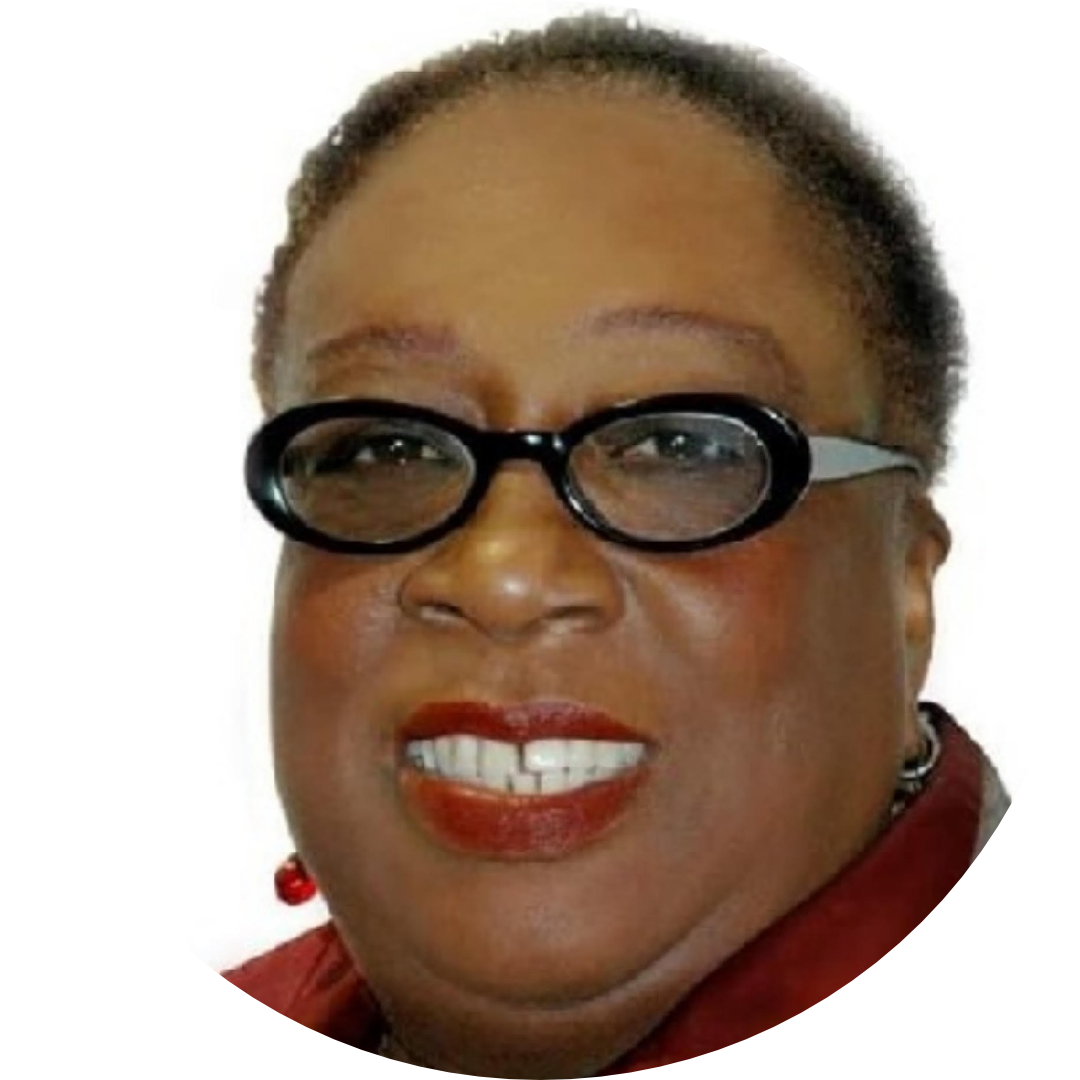
We have a big announcement: after thirty years of service, our co-founder and former co-director Ms. Margaret Gordon is transitioning to Board Chair Emeritus to pursue her next adventure.
A canny political strategist, a meticulous policymaker, and an indomitable advocate, Ms. Margaret has been dogged in her pursuit of cleaner air. Equally skilled in the streets, in classrooms, and in board rooms and halls of power, she has an encyclopedic knowledge of air quality policy, and an unshakeable commitment to community self-determination. She’s been recognized for her work by the White House, the United States Environmental Protection Agency, and many more.
Environmental movements are never the work of one person alone. Ms. Margaret left such a mark on West Oakland in no small part because of her relationships: she marshalled community members, business leaders, and government officials to work together in previously unthinkable ways. Yet, to the extent that one person can change the fate of a neighborhood, Ms. Margaret has changed West Oakland for the better.
A native of the Bay Area, Ms. Margaret inherited a passion for social justice from a young age. As a young person, she was mentored by the legendary “Big Five” in Bayview-Hunters Point as they rabble-roused for housing, healthcare, and education.
In the late 1990s, she worked as a housekeeper for Michael Hertz, founder of San Francisco Baykeeper. She started reading his books and magazines, and learned how pollution from the Port was affecting residents’ health. While working in the school system, she noticed that the nurse’s office had a stack of shoeboxes filled with inhalers, labeled with kids’ names. Ms. Margaret had asthma too, and she began to connect the dots between race, air quality, health, and land use. As she often says, “I went to a meeting and I never left.”
In 1998, Ms. Margaret teamed up with other residents, researchers, and the Pacific Institute to write Neighborhood Knowledge for Change: a seminal report that combined the expertise of researchers with the expertise of residents with lived experience of environmental racism. Community-led research would become Ms. Margaret’s bread and butter.
This groundbreaking collaboration led to the founding of the West Oakland Environmental Indicators Project: a resident-led nonprofit that brought West Oaklanders to the table to make decisions about their health and the future of their neighborhood.
Together with former co-director Brian Beveridge, Ms. Margaret led WOEIP through countless evolutions and accomplishments over the years. Here are just a few ways she led WOEIP to make a real difference in the air we breathe in West Oakland:
- In 2005, we used our Collaborative Problem Solving Model to win new protections from dirty diesel trucks in the West Oakland Toxics Reduction Collaborative, a first-of-its-kind collaboration with the EPA.
- In 2008, we launched our first hyperlocal air monitoring project to bring never-before-seen specificity to air pollution.
- In 2017, Ms. Margaret led WOEIP to design the state’s first community-led clean air plan through Assembly Bill 617, leading to real reductions in deadly diesel particulate matter across the neighborhood.
- Ms. Margaret served on the Port of Oakland’s Board of Commissioners for five years. She worked tirelessly to pass the Maritime Air Improvement Plan and other policies that decreased the Port’s impact on West Oakland.
After leaving WOEIP’s staff in March 2024, Ms. Margaret stayed on as Chair of the Board to guide WOEIP into its next phase. Her oversight and experience created a smooth transition for our new executive director, Veronica Eady. A seasoned environmental lawyer and a resident of West Oakland, Veronica is leading our team into our next chapter of community power, while staying true to the vision that Ms. Margaret and her neighbors laid out all those years ago.
After a 30+ year career in environmental justice, Ms. Margaret is now focused on passing the torch to the next generation. She’s working on the Ms. Margaret Gordon’s Environmental Justice Leadership Academy, where she’ll train the next generation of environmental justice leaders to be decision-makers using a collaborative problem-solving model.